

Examples and Definitions of Blue Collar Jobs
Blue-collar jobs are the backbone of our communities, even if they don’t always get the spotlight they deserve. At their core, these roles are all about skilled hands and practical expertise. Think construction sites, repair shops, factory floors, and even those early-morning utility trucks that keep life running smoothly. Blue-collar work is rooted in manual labor, often requiring specialized training, technical know-how, and a level of craftsmanship you just can’t fake. It’s about getting things done, and done right.
The term “blue-collar” itself has been around since the early 20th century, a nod to the durable blue uniforms workers often wore to handle tough, hands-on jobs. Over time, though, these roles have evolved. Sure, they still involve grit and hard work, but modern blue-collar jobs have grown to include advanced technologies and high-demand skills. Welding, HVAC, electrical work, these are careers relying on expertise as much as elbow grease.
Looking at how blue-collar and white-collar positions differ, you’ll notice it’s like comparing a workshop to a cubicle. White-collar jobs typically involve office settings, computers, and frequent meetings, while blue-collar work remains hands-on and grounded in the physical world.
It’s the difference between designing a skyscraper on paper and actually building the thing. Both are important, but there’s something uniquely satisfying about working with your hands, seeing the immediate results of your effort.
Blue-collar jobs represent a way of life, a tradition of skill and pride passed down through generations. And even today, they remain as necessary as ever.
Key Traits of Blue Collar Jobs
Blue-collar jobs stand out for their hands-on nature. These roles are deeply rooted in physical tasks, lifting, building, repairing, and operating machinery. Whether it’s welding in a manufacturing plant or troubleshooting HVAC systems in the middle of summer, blue-collar jobs require a blend of strength, precision, and technical know-how.
Skills in this field aren’t usually learned in a classroom. Vocational training, apprenticeships, and years of on-the-job experience are how many workers sharpen their craft. Some roles, like electricians or plumbers, demand specific licenses to operate legally. Others, such as forklift operators or construction workers, often require safety certifications.
Blue-collar success depends equally on knowledge, proper execution, and adherence to safety protocols.
Work environments are just as varied as the jobs themselves. You’ll find blue-collar workers on bustling construction sites, in noisy factories, or driving trucks across the country. If you’re looking for opportunities across different states, explore our comprehensive guide to blue-collar jobs by location. Compensation typically comes in the form of hourly wages, which can vary widely depending on the industry, location, and level of expertise. Many blue-collar workers also benefit from union representation, which can help secure fair pay, benefits, and safer conditions.
At the heart of it all, blue-collar jobs offer something rare. A chance to see the direct results of your work. Whether it’s a finished building, a repaired vehicle, or a functioning power grid, there’s a unique pride in knowing your skills make it happen.
Examples of Blue Collar Roles
When it comes to blue-collar roles, the variety is striking, and each trade brings its own unique set of skills to the table. Let’s take a closer look at some of the most common examples:
- Construction Workers handle building, repairing, and maintaining structures like homes, roads, and bridges. Whether they’re operating heavy machinery or laying foundations, they’re the ones turning blueprints into reality. Most enter the trade through hands-on experience or apprenticeships, where they learn everything from site safety to material handling.
- Electricians are the go-to experts for installing and maintaining electrical systems. They make sure homes stay lit, businesses stay powered, and that everything runs safely. Becoming an electrician often requires completing an apprenticeship program and earning a state license, both of which ensure they’re masters of their craft.
- Plumbers deal with the pipes and systems that make modern life comfortable. From fixing leaks to installing entire plumbing networks, they ensure water, gas, and waste flow properly. Training typically involves apprenticeships, and many plumbers work toward a license to demonstrate their expertise.
- Mechanics keep vehicles and machinery running like a dream. They’re the ones diagnosing problems under the hood and replacing worn-out parts. While some specialize in specific areas, like diesel engines or industrial equipment, all rely on technical training to stay sharp.
- Welders are the glue, well, metaphorically, holding many industries together. Using heat and precision, they join metal parts for projects in construction, manufacturing, and beyond. Certifications from organizations like the American Welding Society are common for welders aiming to perfect their trade.
- HVAC Technicians make sure homes and businesses stay cool in the summer and warm in the winter. They install, repair, and maintain heating, ventilation, and air conditioning systems, often after completing vocational training and earning certifications.
These roles represent the backbone of progress. Every home, road, or piece of machinery starts and ends with skilled hands.
And it’s more than just work, it’s a source of pride.
BlueCollarJobs.com proudly connects job seekers and employers, making it easier to find opportunities in these important fields. Whether you’re exploring jobs in New Hampshire, Maine, or across the country, the platform is here to help you take that next step.
What Defines White Collar Jobs
White-collar jobs are all about brains over brawn. These roles typically involve professional, administrative, or managerial tasks. Think sitting behind a desk, analyzing data, or managing teams. They’re the office jobs many picture when they hear 9-to-5, and they often require formal education, like a bachelor’s or even an advanced degree.
Unlike blue-collar roles, which focus on hands-on work and technical expertise, white-collar jobs rely heavily on mental and analytical skills. Accountants, lawyers, engineers, and marketing managers are all classic examples. These professionals likely spend their days in meetings, at computers, or working through spreadsheets.
The work environment is another point of difference. White-collar workers are usually found in office spaces, whether that’s a corporate high-rise, a government building, or even a home office.
These settings are quieter, more predictable, and a far cry from the bustling construction sites or noisy factory floors where blue-collar employees thrive.
Compensation also tends to set these roles apart. White-collar professionals often earn a fixed salary instead of hourly pay. While they don’t typically receive overtime, benefits like health insurance, retirement plans, and paid time off are often part of the package.
It’s a trade-off: steady pay versus the potential to earn more through overtime in blue-collar positions.
At the core, it’s about the type of work and lifestyle. If you’re interested in exploring hands-on opportunities, you might want to browse Ohio Blue Collar Jobs – BlueCollarJobs.com for job listings that celebrate technical expertise. Blue-collar jobs bring a hands-on satisfaction that’s hard to beat, while white-collar roles focus on planning, strategy, and ideas. Both are necessary, but they cater to very different skill sets and passions.
Comparing Blue and White Collar Jobs
When it comes to comparing blue-collar and white-collar jobs, the differences are clear but equally valuable. Each represents a unique path, requiring distinct skills, environments, and growth opportunities.
- Skills and Training: Blue-collar roles generally focus on technical skills learned through hands-on experience, vocational training, or apprenticeships. Think about using tools, equipment, or specialized techniques, whether you’re welding or repairing HVAC systems. White-collar jobs typically demand formal education, like a bachelor’s degree or beyond, paired with certifications or professional training. It’s less about working with your hands and more about problem-solving, strategy, and analysis.
- Work Environment: Blue-collar workers thrive in active, often unpredictable environments. Construction sites, factories, and outdoor spaces are their offices. It’s physical, dynamic, and, at times, involves exposure to the elements.
White-collar jobs, on the other hand, typically unfold in office settings. They’re air-conditioned, structured, and screen-heavy. It’s two entirely different worlds, each with its own rhythm and demands.
- Compensation: Blue-collar workers usually earn hourly wages with the potential for overtime, meaning effort can directly boost earnings. Meanwhile, white-collar roles offer annual salaries with benefits like health coverage or retirement plans.
It’s the difference between steady paychecks and the chance to earn more with extra hours.
- Career Advancement: Blue-collar growth often comes through experience, certifications, or stepping into leadership roles. Some even start their own businesses. In white-collar fields, climbing the ladder might mean more degrees, industry connections, or managerial promotions.
Both paths hold incredible value. Blue-collar jobs keep our world running, while white-collar roles shape its structure. They’re the backbone of progress.
Skills and Training for Blue Collar Jobs
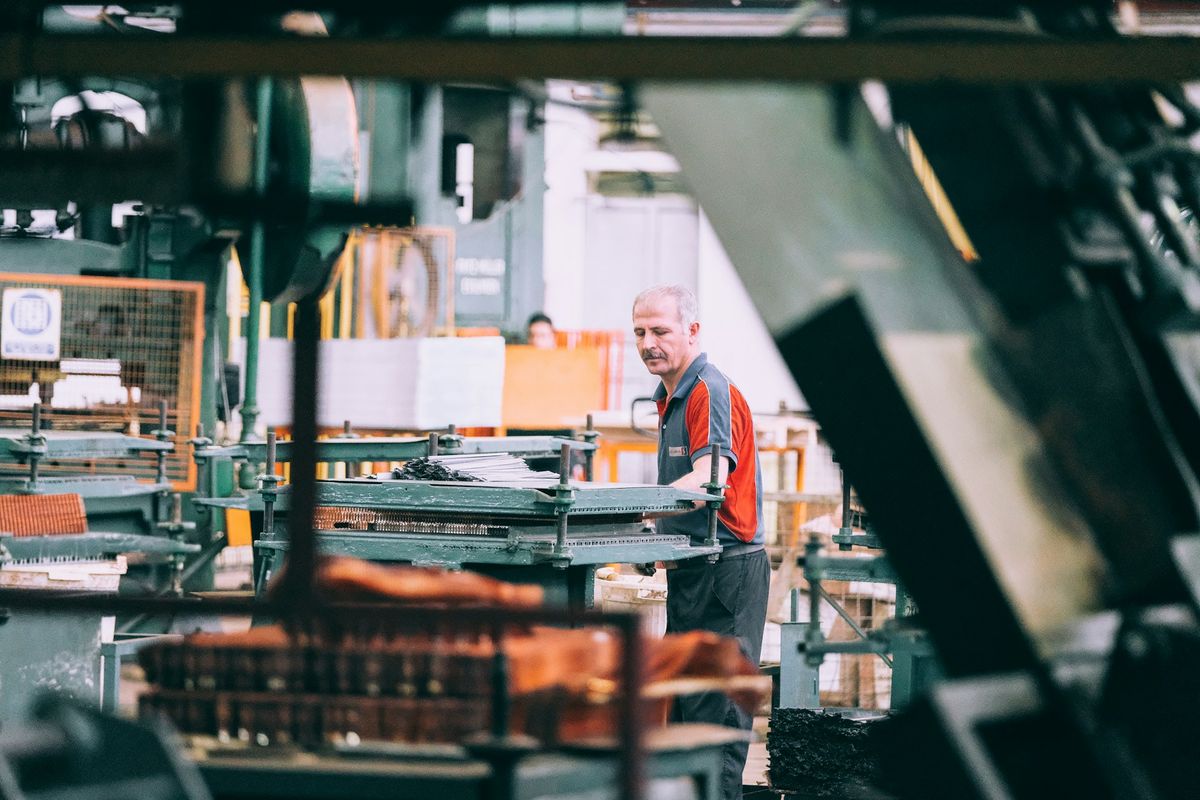
Blue-collar jobs thrive on skills and training that are as hands-on as the work itself. Most of the expertise needed doesn’t come from a lecture hall; it’s built through real-world experience, practical education, and certifications that prove you know what you’re doing. This is where apprenticeships, vocational programs, and certifications step in, shaping workers into skilled professionals ready to tackle the demands of the job.
Take apprenticeships, for example. They’re like a direct path to becoming great at a trade. You’ll earn while you learn, balancing on-the-job training with classroom instruction. Electricians, carpenters, and HVAC technicians often start this way, spending a few years honing their craft under the guidance of industry veterans. These programs deliver both mentorship and a paycheck as you develop your skills.
Then there are vocational programs, which get right to the practical aspects of a trade. Community colleges and trade schools offer these programs, focusing on careers like welding, automotive technology, and plumbing.
The goal? To arm you with the hands-on experience employers are looking for, so you can hit the ground running.
Certifications are the final piece of the puzzle. They’re your proof of expertise and often a requirement to get hired. Whether it’s an OSHA Safety Certification for workplace safety, a CDL for truck drivers, or specialized licenses for electricians, these credentials open doors.
They’re more than a line on a résumé, they’re your ticket to better opportunities in competitive industries.
These pathways transform raw talent into polished skill, ensuring the blue-collar workforce is equipped to succeed. At BlueCollarJobs.com, we connect workers with employers who value these qualifications, making it easier to find roles where your training truly shines.
The Evolution of Blue Collar Work
Blue-collar work has always been a cornerstone of progress, but it didn’t start out as the diverse, skilled workforce we know today. Its roots stretch back to the Industrial Revolution of the late 18th century, when factories and mines first became economic powerhouses. Back then, blue-collar jobs were all about operating machinery and performing repetitive tasks to power industries like textiles and coal mining. It was tough, gritty work, but it laid the foundation for modern manufacturing.
Fast-forward to the Second Industrial Revolution in the late 19th century, and we saw the rise of mass production. Assembly lines turned out goods faster than ever, and the demand for skilled labor skyrocketed. Blue-collar workers became the backbone of booming economies, building railroads, producing steel, and keeping the engines of progress humming.
By the post-World War II era, these roles expanded even further as construction and manufacturing sectors flourished, helping to rebuild cities and communities. It was a golden age for blue-collar jobs, with high demand and strong wages offering stability for millions of workers.
Then came globalization and automation in the late 20th century, and everything shifted. Traditional blue-collar roles dwindled as many jobs moved overseas or were replaced by machines. But these changes also sparked innovation, paving the way for specialized manufacturing, technical maintenance, and entirely new fields.
For example, our California Blue Collar Jobs page showcases modern roles that blend traditional craftsmanship with advanced technical skills.
Blue-collar work didn’t disappear, it adapted.
In the 21st century, it evolved again, transforming alongside technology. Today’s roles often require expertise in robotics, precision tools, and even software. HVAC systems and heavy equipment, for example, now demand workers with both technical and mechanical know-how.
Still, some things haven’t changed. Blue-collar workers remain essential, keeping industries like construction, logistics, and manufacturing alive and thriving. They’re not just responding to change, they’re actively shaping it.
At BlueCollarJobs.com, we’re proud to support this evolution, helping workers find opportunities tailored to their skills in an ever-changing economy.
The Value of Blue Collar Professions
In the end, blue-collar jobs are more than just a means to earn a paycheck. They’re the gears that keep our world turning. These professions, whether in construction, manufacturing, logistics, or repair, sustain the industries and communities we rely on daily. From fixing the pipes that bring water into our homes to building the roads we drive on, blue-collar workers leave their mark in ways everyone benefits from, whether they realize it or not.
Blue-collar work encompasses not just the hands-on labor but also the pride, skill, and dedication that go into it. These roles demand more than physical effort; they require expertise, problem-solving, and a commitment to quality.
That’s why, despite the long hours or the tough conditions, so many workers find deep satisfaction in what they do. There’s something special about seeing your finished work right in front of you, knowing it makes life better for others.
As industries evolve and new technologies emerge, blue-collar jobs continue to adapt, proving their resilience and importance time and time again. Modern tools and innovations may change how the work gets done, but they don’t change the essential role these jobs play in keeping the world running smoothly.
Clearly, whether you’re installing HVAC systems, welding steel beams, or driving a truck across the country, these jobs aren’t going anywhere. They’re necessary.
At BlueCollarJobs.com, we celebrate the people behind these professions by connecting them with opportunities that value their skills and dedication. After all, blue-collar work isn’t just a job. It’s a legacy of craftsmanship, perseverance, and pride that deserves recognition and respect.
Want blue collar jobs delivered to your inbox?
Want blue collar jobs delivered to your inbox?
