
Mechanic Certification Requirements: Your Path to Success
Navigating the Mechanic Certification Landscape
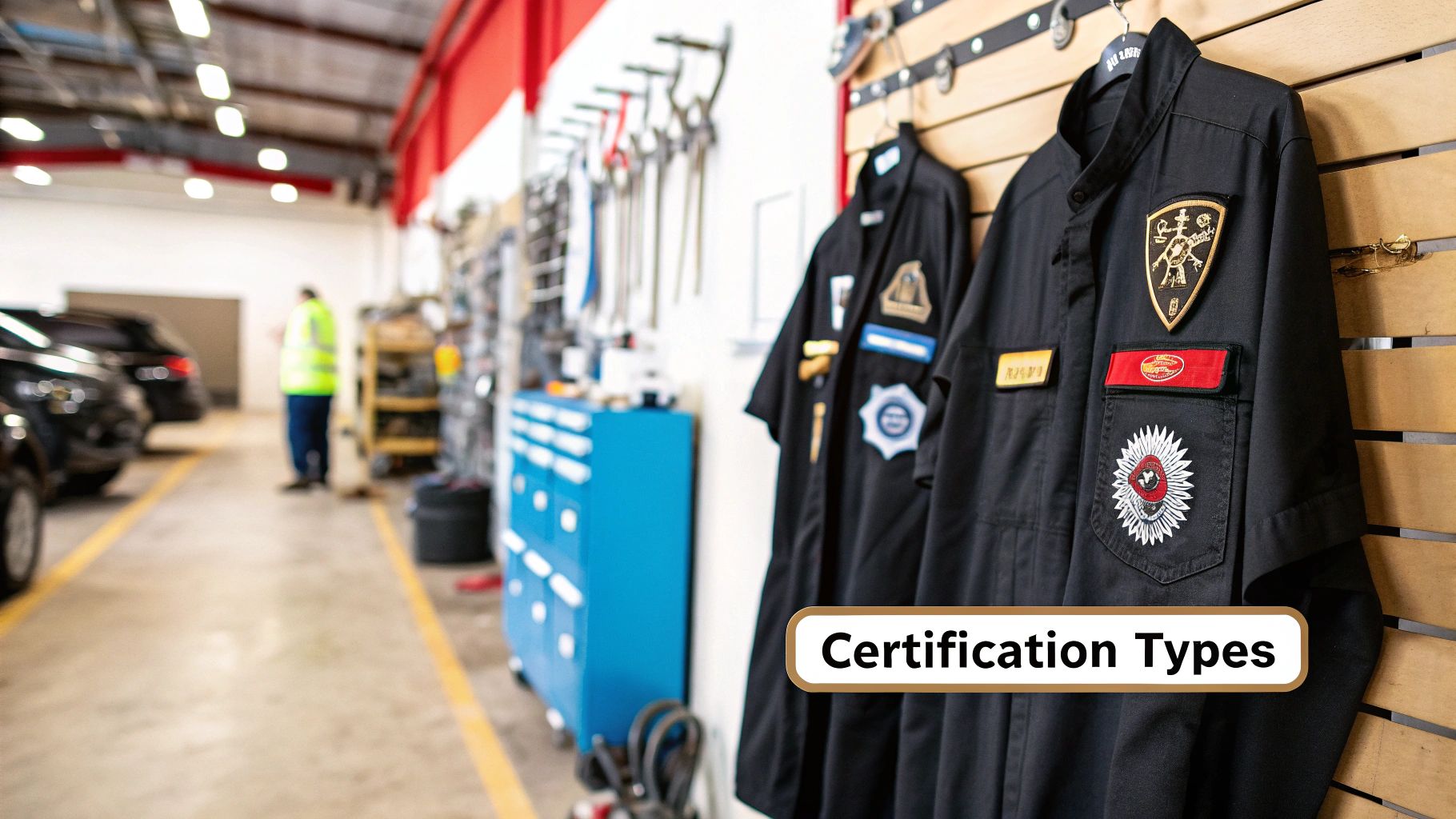
Understanding mechanic certification requirements is essential for career progression. It’s important to distinguish between mandatory licenses and voluntary certifications. Licenses allow you to work legally within a specific geographic area, while certifications showcase advanced skills and competency. This key difference can significantly influence your earning potential and job prospects.
Understanding Certification Levels
Mechanic certifications come in various levels, each with a specific purpose. Some are entry-level, concentrating on basic automotive principles. Others delve into specialized areas like brake systems or electrical systems. Still others cater to particular vehicle types, such as electric vehicles (EVs) or diesel engines. Understanding these levels allows you to customize your certification journey to align with your career aspirations.
The Importance of ASE Certification
The National Institute for Automotive Service Excellence (ASE) provides a highly regarded certification program, setting the industry benchmark. While ASE certifications are voluntary, they are highly sought after by employers. They represent a commitment to professional growth and a solid grasp of core automotive skills. An ASE certification can lead to enhanced job opportunities and increased earnings. Achieving Master Technician status through ASE further signifies expertise and can considerably boost your career.
The demand for standardized qualifications is increasing across various industries, including the automotive sector. This translates to a growing need for mechanics with specialized skills and certifications. The global certification market is predicted to reach US$ 67,650 million by 2028, expanding at a 5.5% Compound Annual Growth Rate (CAGR) from 2021. Find more detailed statistics here. This growth underscores the increasing value of professional development and recognition in the automotive field. With ongoing technological advancements, especially with the rise of EVs and hybrid vehicles, certifications become even more vital for mechanics looking to stay current.
Regional Variations in Requirements
Mechanic certification requirements can vary considerably from state to state. Some states mandate specific licenses, while others have less stringent regulations. This can present challenges for mechanics looking to relocate or work across state lines. Researching your target region’s specific requirements before pursuing certifications is essential. This can prevent wasted time and resources, ensuring your certifications align with your desired job market. If you are considering a career change or enhancing your credentials, you might consider exploring options like a Professional Organizing Certification. This highlights the importance of understanding current regulations and adapting your certification plan accordingly.
Mastering ASE Certification: The Industry Gold Standard
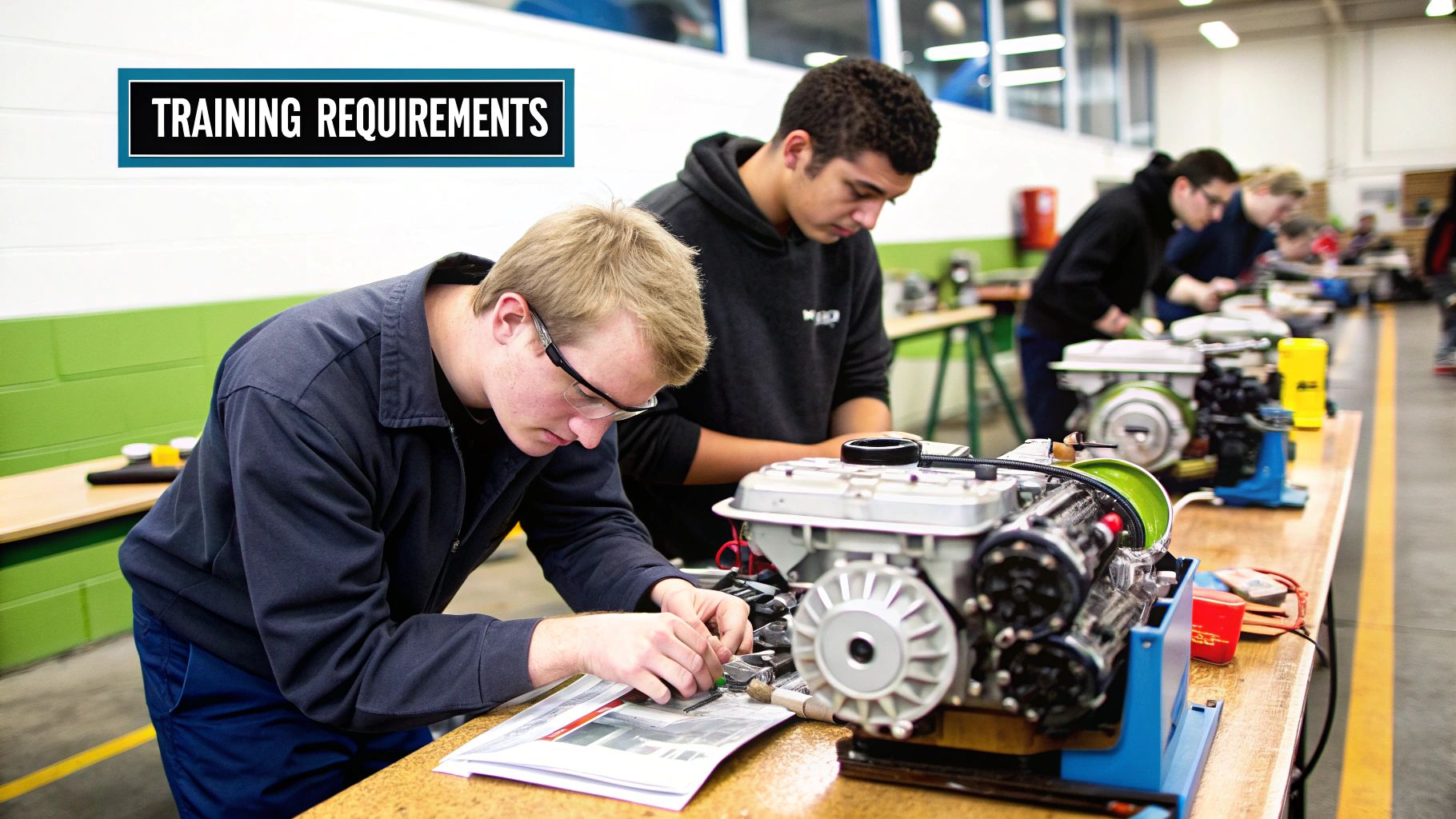
ASE certification is the gold standard for automotive repair professionals. It signifies a commitment to excellence that goes beyond basic licensing. This commitment can translate into increased career opportunities and higher earning potential. This section will explore how ASE certifications can benefit your career. You might be interested in Automotive Technician positions in Phoenix.
Understanding the ASE Certification Series
ASE offers various certification series, each focusing on a specific area of automotive repair. These range from the A-Series, covering automobiles and light trucks, to the T-Series for medium/heavy trucks. Selecting the right series depends on your career goals and area of expertise.
The A-Series, for example, is designed for mechanics working on passenger cars. Conversely, the T-Series is geared towards specialists in heavy-duty vehicles. This structured approach allows mechanics to showcase their specific skillset. To help you understand the different series, we’ve provided a comparison table below.
This table compares the different ASE certification series, their focus areas, and requirements.
| Certification Series | Focus Area | Experience Required | Number of Tests | Recertification Period |
|---|---|---|---|---|
| A-Series | Automobiles and Light Trucks | Varies by test | Varies by area | 5 Years |
| T-Series | Medium/Heavy Trucks | Varies by test | Varies by area | 5 Years |
| Other Series | Other Vehicle Types (e.g., School Buses, Motorcycles) | Varies by test | Varies by area | 5 Years |
This table highlights the diverse specializations available within ASE certification, demonstrating the range of career paths mechanics can pursue. Each series has specific experience prerequisites and involves a varying number of tests. Regular recertification ensures mechanics maintain up-to-date skills.
Benefits of ASE Certification
ASE certification offers substantial benefits for mechanics. One key advantage is the potential for significant salary increases, often surpassing the earnings of non-certified mechanics. Job security is another major benefit, as employers frequently prioritize certified technicians.
ASE certification can also accelerate career advancement, potentially opening doors to supervisory and management positions. These credentials validate skills and demonstrate a commitment to continuous professional development. This commitment can make certified mechanics more valuable assets to their employers.
The Path to ASE Certification: Testing and Preparation
Earning ASE certification involves rigorous testing designed to evaluate a mechanic’s knowledge and skills. Each certification area requires passing a specific exam, covering both theoretical and practical aspects of automotive repair.
Preparation for these exams requires dedicated study and hands-on practice. Numerous resources, including study guides and practice tests, are available. You may find additional insights by exploring the broader HR certification landscape.
Over 250,000 technicians currently hold ASE certifications. The prestigious World Class Technician Award, requiring 22 specific ASE certifications, has been awarded to about 2,375 technicians since its inception. Learn more about the World Class Technician Award.
Maintaining ASE Credentials
Maintaining ASE certifications requires keeping pace with advancements in automotive technology. Recertification is crucial for ensuring mechanics possess the latest knowledge and skills. Ongoing professional development through training courses and workshops is essential. This dedication to lifelong learning distinguishes successful ASE-certified professionals.
Leveraging Manufacturer Certifications for Career Growth
ASE certification provides a solid foundation for automotive technicians. However, today’s automotive market demands specialized skills. Manufacturer-specific certifications can open doors to exclusive career opportunities and boost your income. These certifications showcase your expertise on specific vehicle makes and models, a valuable asset in the competitive automotive industry.
Why Pursue Manufacturer Certifications?
Manufacturer certifications, such as those from Toyota, Ford, BMW, and other brands, signify a deep understanding of a brand’s unique technology and repair procedures. This specialized knowledge is essential for dealerships and independent shops focusing on those brands. For instance, a Toyota Master Diagnostic Technician certification makes you a top candidate at any Toyota dealership. This targeted expertise can significantly improve your job prospects and earning potential.
These programs often grant access to proprietary training materials, specialized tools, and advanced diagnostic equipment. This access gives you a competitive advantage. Furthermore, some manufacturers offer advanced training on cutting-edge technologies like electric vehicles (EVs) and hybrid systems. Learn more about getting started in our article about mechanic apprentice opportunities.
Choosing the Right Manufacturer Certification
Choosing the right manufacturer certification depends on regional demand, career goals, and personal interests. Researching popular brands in your area helps you choose a certification that aligns with local job openings. This targeted approach can help you find employment quickly after certification.
Aligning your certification with your career goals is also crucial. If you’re passionate about a specific brand, specializing in that manufacturer’s vehicles can be a fulfilling career path.

The Cost of Specialization
Earning manufacturer certifications requires an investment of time and money. Training programs can last from a few weeks to several months, demanding dedicated study and hands-on practice. Costs associated with training materials, exam fees, and specialized tools are also factors.
However, the potential return on investment can be significant. Technicians with in-demand manufacturer certifications often earn higher salaries than their non-certified peers. This increased earning potential can quickly offset the initial investment.
Balancing Multiple Certifications
Many technicians pursue multiple manufacturer certifications to expand their skillset and job opportunities. This strategy can be particularly advantageous in regions with a diverse range of vehicle brands. However, maintaining multiple certifications requires careful planning.
Staying current with recertification requirements and continuing education for each manufacturer can be a challenge. A strategic plan is essential. This might involve prioritizing certifications based on local demand or specializing in vehicle technologies like EVs or hybrids.
Building relationships with training providers keeps you informed about industry trends and advancements. This proactive approach ensures you remain a sought-after technician in the ever-changing automotive industry.
Navigating State-by-State Mechanic Certification Requirements
The automotive repair industry is booming, experiencing significant growth alongside the technical inspection and certification services market. This market is expected to hit USD 34.80 billion by 2030, growing at a CAGR of 6.95%. This surge is driven by the increasing importance of vehicle safety and the constant advancements in automotive technologies. Explore this topic further. This growth also means a more complex regulatory environment, with requirements differing from state to state. Mechanic certification requirements are a key consideration for mechanics looking to relocate or work in multiple states.
Understanding Licensing Requirements
Across the United States, mechanic licensing requirements vary significantly. Some states mandate specific licenses outlining the exact type of work a mechanic is authorized to perform. For instance, separate licenses might be required for brake repair, engine repair, or work on emissions systems.
Other states may have broader licensing, allowing certified mechanics to handle a wider range of repairs. This difference in regulations means a mechanic licensed in one state may not be qualified to work in another without first getting additional certifications. This can present a real hurdle for mobile mechanics or those seeking employment across state lines.
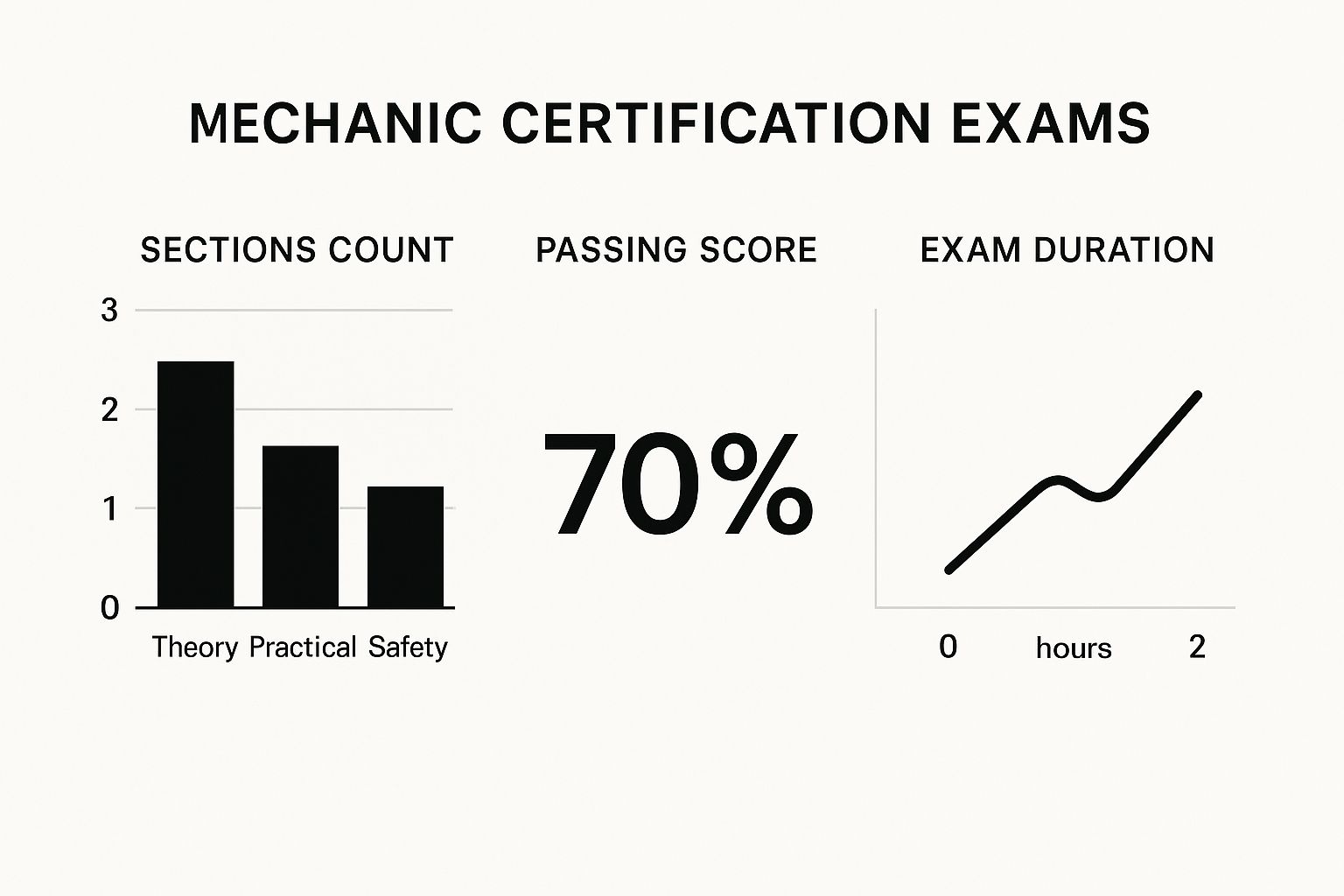
The infographic above provides a visual representation of key data points regarding mechanic certification exams. These include the number of exam sections, minimum passing scores, and the average exam duration. The data clearly shows that exam complexity, reflected in the number of sections and duration, has a direct impact on the minimum passing score. This underscores the importance of thorough preparation for these exams.
Researching State-Specific Regulations
Researching the specific mechanic certification requirements in your target state is essential before relocating or expanding your service area. This proactive approach can save significant time and resources down the line. State licensing board websites and professional mechanic associations are excellent sources for up-to-date information on necessary credentials.
Connecting with local mechanics or shop owners can also provide valuable practical insights into compliance within the specific state. Read also: Aircraft Mechanic opportunities in Fort Smith, Arkansas.
The following table offers a general overview of mechanic licensing requirements by state. Please note that this is for informational purposes only, and it’s crucial to consult the specific state’s licensing board for the most accurate and up-to-date regulations.
State-by-State Mechanic Licensing Requirements
This table outlines the varying certification requirements across different U.S. states
| State | License Required | Testing Requirements | Renewal Period | Special Certifications |
|---|---|---|---|---|
| Example State A | Yes, for specific repairs (e.g., brakes, emissions) | Written and practical exams | 2 years | Emissions Repair Certification |
| Example State B | General mechanic license | Written exam | 1 year | None |
| Example State C | No state-level license required | Varies by municipality | N/A | Asbestos Handling Certification |
This table highlights the wide range of licensing requirements across different states. Some states have very specific requirements, while others have more general licenses. It is also important to note that some states may not require a state-level license at all, but may have regulations at the municipal level.
Multi-State Credentials and Specialized Certifications
For mechanics aiming for maximum career flexibility, pursuing multi-state credentials can be a strategic advantage. While it may be more challenging to obtain, this approach significantly expands job opportunities across a larger geographic area. Certain specializations, like emissions repair or safety inspections, often require additional certifications beyond a basic mechanic’s license. Staying informed about these specialized requirements is essential for maintaining compliance and provides opportunities for career advancement.
Adapting to Regulatory Trends
The regulations surrounding mechanic certification are constantly changing. Advancements in vehicle technology, environmental regulations, and evolving safety standards all contribute to shifts in licensing requirements. Staying informed about these trends is crucial for continued compliance and remaining competitive.
Mechanics can stay ahead of the curve by attending industry conferences, subscribing to trade publications, and participating in continuing education courses. By understanding and adapting to these changes, mechanics can ensure long-term success in their field.
Breaking Into Advanced Technology Certifications
The automotive industry is changing rapidly. Electric Vehicles (EVs), hybrid systems, Advanced Driver-Assistance Systems (ADAS), and autonomous driving technologies are becoming increasingly common. This shift presents exciting and profitable career paths for mechanics willing to embrace these advancements. However, mechanics trained primarily on traditional combustion engines may find these specialized areas intimidating. This has led forward-thinking technicians to seek advanced technology certifications to stay competitive.
Certification Pathways for Emerging Technologies
Understanding the certification landscape for these advanced technologies can feel overwhelming. EV certifications, for instance, might cover high-voltage systems, battery management, and specialized diagnostic procedures. Hybrid certifications often concentrate on the interaction between electric and combustion engines. This requires a thorough understanding of both.
ADAS certifications explore the intricacies of radar, lidar, and camera systems, with a focus on calibration and repair. The developing field of autonomous driving presents its own set of certification needs, demanding knowledge of artificial intelligence, machine learning, and complex sensor networks.
Safety Protocols and Recognized Credentials
Working with these advanced technologies necessitates strict adherence to safety protocols. High-voltage systems in EVs and hybrids pose considerable dangers if handled incorrectly. The complexity of ADAS and autonomous driving systems also requires careful attention to detail to guarantee safe operation. Knowing which certifications are recognized by manufacturers and insurance companies is vital. This recognition validates your skills and boosts your professional standing. It can also impact your insurance rates and coverage options.
Earning Premiums and Future-Proofing Your Career
Specializing in these emerging technologies can lead to higher earning potential. The demand for qualified technicians in these fields often exceeds the supply, increasing wages. By combining traditional mechanic skills with advanced technology certifications, technicians can future-proof their careers. This versatile approach allows you to adapt to the changing automotive industry and take advantage of new opportunities.
Tools and Equipment Investments
While these certifications offer rewarding career prospects, the investment in specialized tools and equipment must be considered. Working with high-voltage systems requires insulated tools and safety gear. Diagnosing and repairing ADAS and autonomous driving systems requires advanced diagnostic software and specialized calibration equipment. Planning for these costs and integrating them into your career strategy is essential.
Evaluating Career Potential
Not all emerging automotive technologies present the same career opportunities. Market adoption rates and the availability of certification programs are important factors to evaluate. EVs, for example, are experiencing rapid growth, creating a high demand for skilled technicians. However, the certification landscape for autonomous driving is still developing, with fewer established routes. Carefully considering these factors can inform your certification decisions and optimize your career prospects. By concentrating on technologies with significant market momentum and accessible certifications, you can set yourself up for long-term success in the automotive industry.
Choosing Your Mechanic Certification Education Path
The right educational foundation is key to obtaining mechanic certification and building a successful career. This section explores various educational paths, highlighting factors to consider when selecting the best option for you.
Comparing Educational Pathways
Several options exist for aspiring mechanics, each with its own advantages and disadvantages.
- Vocational Schools: These schools offer concentrated, hands-on training, often leading to quicker entry into the workforce.
- Community Colleges: Community colleges typically provide a more comprehensive education, covering both theoretical and practical aspects, sometimes at a lower cost than vocational schools.
- Manufacturer Academies: Programs offered by manufacturers like Ford or Toyota provide specialized training on specific vehicle brands, which can lead to higher earning potential and greater job security.
- Apprenticeships: These “earn while you learn” programs offer invaluable on-the-job experience under the mentorship of seasoned mechanics.
Vocational schools offer a fast track to practical skills, while community colleges deliver a broader educational base. Manufacturer academies focus on specialized brand knowledge, while apprenticeships blend real-world experience with structured learning.
Evaluating Program Quality
Beyond the stated curriculum, several factors indicate the quality of a mechanic certification education program.
- Certification Exam Pass Rates: High pass rates often suggest effective instruction and thorough preparation for certification exams.
- Instructor Qualifications: Experienced instructors with real-world expertise can offer invaluable insights and practical knowledge.
- Equipment and Resources: Access to modern, up-to-date equipment is essential for training that aligns with current industry standards.
- Employer Connections: Strong connections with potential employers can significantly improve job placement opportunities after graduation.
A program with a 90% first-time pass rate on the ASE certification exam, for instance, suggests strong preparation. Conversely, red flags like outdated equipment or instructors lacking practical experience could indicate shortcomings in a program’s ability to prepare students effectively.
The Role of Self-Directed Learning
Formal education provides a solid foundation, but successful mechanics understand the importance of continuous learning. Staying current with ever-evolving automotive technology and maintaining certifications requires ongoing self-directed study. Resources such as online forums, trade publications, and specialized websites provide valuable information and insights beyond formal training.
This dedication to lifelong learning helps mechanics adapt to new technologies like electric vehicles (EVs). Technicians who invest in understanding EV technology and acquire relevant certifications position themselves for better career growth.
Virtual Training Platforms
Virtual training platforms offer increasing flexibility in certification preparation. These online resources allow mechanics to study at their own pace and access training from anywhere. Interactive simulations and practice tests provide valuable pre-certification experience. These platforms can be a cost-effective way to acquire specialized knowledge or refresh existing skills. However, it’s crucial to choose reputable platforms with current content and qualified instructors.
Selecting the Right Path
The best educational path depends on individual learning styles, financial circumstances, and career goals. A vocational school may be ideal for those prioritizing hands-on learning and quick entry into the workforce. A community college might be a better fit if a well-rounded education and lower tuition costs are more important. Manufacturer academies might be preferred for those targeting specific brands or advanced technologies. And for those who value earning while learning and gaining direct experience, an apprenticeship may be the best route.
Ready to launch your career in the skilled trades? BlueCollarJobs.com connects you with hundreds of opportunities across the United States. Find your perfect fit and apply today! Explore available jobs on BlueCollarJobs.com
Want blue collar jobs delivered to your inbox?
Want blue collar jobs delivered to your inbox?
