
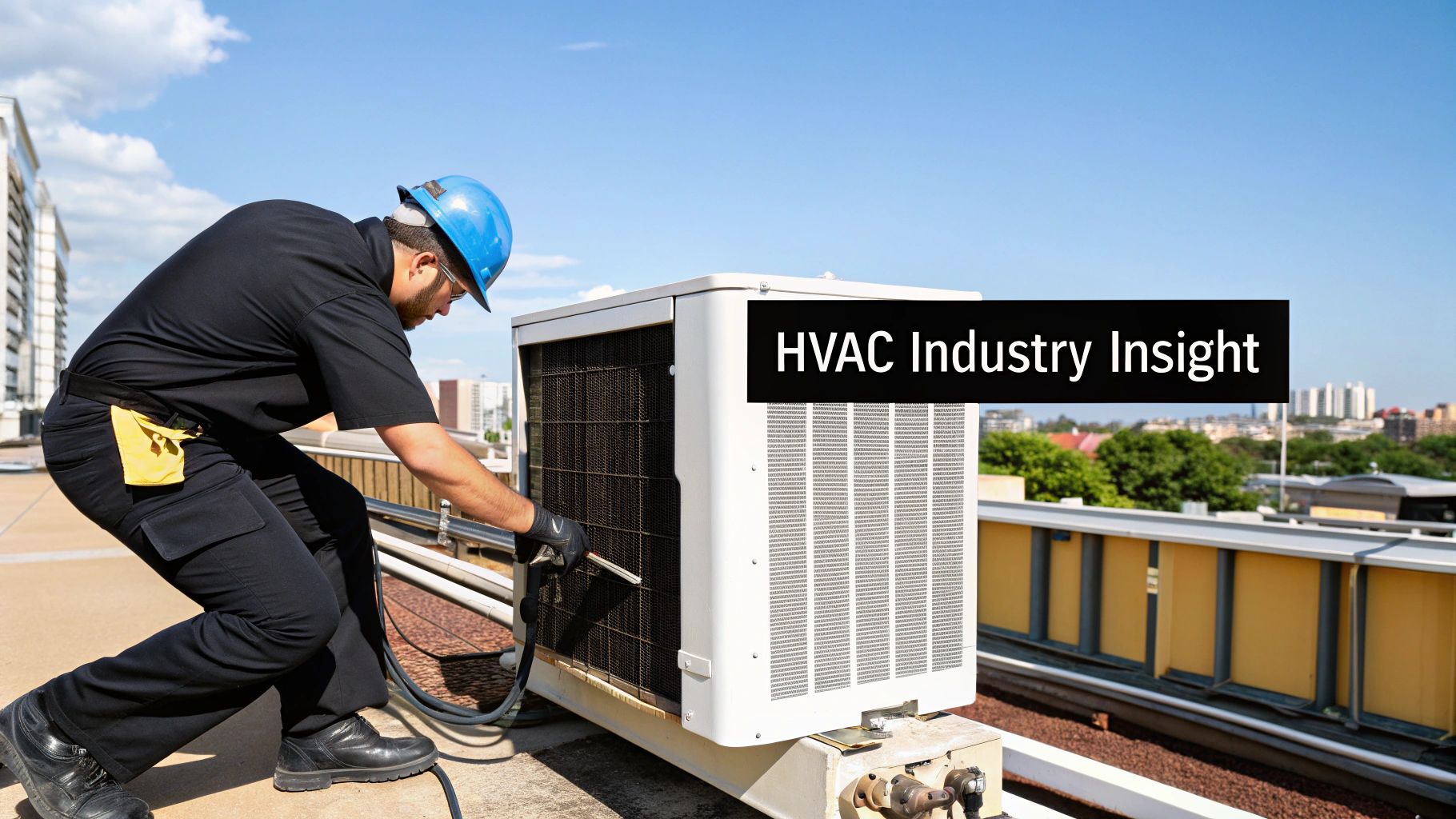
The HVAC Industry Today: Why Your Timing Couldn’t Be Better
Considering a career in HVAC? The timing couldn’t be more perfect. This isn’t just a motivational statement; it’s a reflection of current market dynamics. The HVAC industry is experiencing a surge in demand, creating exciting opportunities for those considering this field.
A Confluence of Favorable Factors
Several key trends are driving this growth. A significant wave of retirements is creating a noticeable gap in the experienced workforce. As seasoned technicians retire, thousands of positions are opening up. Companies are actively searching for skilled individuals to fill these roles.
Technological advancements are also rapidly reshaping the HVAC industry. Rather than eliminating jobs, this evolution is creating a demand for technicians skilled in installing, maintaining, and repairing increasingly sophisticated systems. This demand for specialized expertise makes HVAC an even more attractive career path.
Furthermore, the growing emphasis on climate change and energy efficiency is fueling the need for HVAC specialists. As buildings strive for greater sustainability, optimizing HVAC systems for energy efficiency is becoming essential. This translates to increased opportunities for qualified professionals.
Compelling Statistics: Industry Growth and Salary Projections
The industry’s positive outlook is supported by impressive data. As of 2024, the U.S. HVAC sector employed approximately 423,000 people. The job outlook is exceptionally bright, with a projected growth rate of 9% between 2023 and 2033, exceeding the average for all occupations. Find more detailed statistics here.
This growth translates to roughly 42,500 annual job openings, mainly due to retirements and career changes. The industry offers not only abundant jobs but also attractive salaries. Median annual earnings are projected to reach $70,000 by the end of the decade, with specialized commercial or industrial technicians potentially earning up to $100,000. This combination of high demand and excellent salary potential makes HVAC a smart and stable career choice.
Emerging Niches: Specialization and Advanced Technologies
While the entire HVAC industry is thriving, certain specialized areas are experiencing even more rapid growth. These niches present unique opportunities for skilled technicians to earn higher salaries and advance their careers.
Building Automation: This rapidly expanding field demands technicians proficient in integrating smart technologies into HVAC systems. This expertise commands premium rates and offers exciting career prospects.
Renewable Energy Integration: The increasing focus on renewable energy sources is creating new opportunities within HVAC. Technicians specializing in geothermal heating and cooling or solar thermal systems are in high demand as sustainability becomes a priority.
These specialized areas, combined with the overall strength of the HVAC industry, present a compelling case for anyone considering this dynamic field. The convergence of high demand, competitive salaries, and opportunities for specialization makes HVAC an attractive career path for newcomers and experienced professionals alike.
Breaking Into HVAC: Which Path Is Actually Right For You?
Choosing the right HVAC career path is a crucial first step. Your entry point should align with your individual circumstances, such as your age, finances, and previous work experience. Let’s explore the different paths available and how they can impact your HVAC journey.
HVAC Career Entry Points: A Detailed Overview
There are several ways to start your HVAC career, each with its own pros and cons. Here’s a closer look at the most common options:
- Apprenticeships: Apprenticeships typically last 2-5 years and combine paid on-the-job training with classroom instruction. You’ll learn practical skills under the supervision of experienced technicians, often leading directly to a job after completion. However, the lower starting pay may be a consideration.
- Trade Schools: Trade schools offer a more focused and accelerated approach. Programs generally run 6-12 months and concentrate on the core technical skills needed for entry-level positions. While you’ll gain foundational knowledge quickly, you may not receive the same extensive on-the-job experience as an apprenticeship.
- Community Colleges: Earning an associate degree at a community college usually takes two years. These programs combine theoretical knowledge with hands-on training, providing a broader education that can open doors to specialized HVAC roles or management positions later on.
- Certification Programs: Earning specialized certifications, such as the EPA Section 608 certification, can demonstrate your expertise in specific areas, improving your job prospects and potentially boosting your income. Certifications are often pursued after completing a training program or apprenticeship.
To help visualize these paths, let’s look at the following infographic. It illustrates how these different education levels can lead to an entry-level HVAC technician role.

As the infographic shows, both apprenticeships and trade schools provide a pathway to becoming an entry-level HVAC technician, although the timelines differ.
To further compare these options, consider the following table summarizing the key features of each educational path:
HVAC Education & Training Options Compared
Comparison of different educational pathways to enter the HVAC industry
| Program Type | Duration | Average Cost | Hands-on Training | Job Placement Rate | Best For |
|---|---|---|---|---|---|
| Apprenticeships | 2-5 years | Varies (often low due to paid training) | Extensive | High | Individuals who prefer learning by doing and earning while they learn |
| Trade Schools | 6-12 months | $5,000 – $15,000 | Moderate | Moderate to High | Individuals seeking a quick and focused path to entry-level jobs |
| Community Colleges | 2 years | $10,000 – $20,000 | Moderate | Moderate to High | Individuals seeking a broader education and potential for career advancement |
| Certification Programs | Varies | $200 – $1,000+ | Varies (often requires prior training) | Varies (enhances existing qualifications) | Individuals seeking specialized skills and credentials to increase earning potential |
Note: These are estimated ranges and may vary based on the specific program and location.
This table offers a quick comparison of the different paths, helping you weigh the pros and cons of each based on factors like cost, duration, and hands-on training.
Matching Your Path to Your Goals
Choosing the right path depends on your priorities. If you need to start earning quickly, a trade school or apprenticeship may be the better option. If long-term career growth and higher earning potential are your goals, a community college degree offers a stronger foundation. For more insights on skilled trades, check out this resource: The Complete Career Guide to the Highest Paying Skilled Trades.
What Employers Are Looking For
Technical skills are essential, but employers also look for soft skills, such as communication, problem-solving, and a customer-centric approach. Being able to diagnose issues, explain solutions clearly, and work efficiently are vital for success.
Leveraging Prior Experience
Previous experience in related fields like mechanics, electronics, or customer service can be a valuable asset in the HVAC industry. These transferable skills can potentially reduce your training time and accelerate your career progression.
Moving Up: The Technical Specialist HVAC Career Path
After gaining initial experience, the HVAC career path opens up to a world of specializations. This means that instead of being a general HVAC technician, you can develop expertise in specific areas and significantly increase your earning potential. This section explores how to strategically navigate this exciting phase of your career.
From Apprentice to Specialist: Charting Your Course
The journey from apprentice to specialist isn’t always a straight line. However, a typical progression might involve starting as an apprentice, moving to a junior technician role, then a senior technician position, and finally branching into a specialized area. Each step usually takes a few years and involves increased responsibility and higher pay.
For example, you might start by mastering residential HVAC systems. After a few years of experience, you could specialize in commercial refrigeration or industrial HVAC. This focused expertise allows you to command higher rates and opens doors to more challenging and rewarding projects.
Certifications That Pay: Separating Value From Hype
Not all certifications are created equal. Some can significantly boost your earnings, while others offer little practical value. It’s crucial to research which certifications are valued by employers in your desired specialization. You might be interested in: Commercial HVAC Technician Needed!
For instance, certifications in building automation, energy efficiency, or specialized refrigeration systems are often highly sought after. These specialized credentials demonstrate your expertise and can significantly impact your earning potential. If you are looking for formal training, consider checking out resources on UAS pilot training.
Emerging Specializations: Riding the Wave of Innovation
The HVAC field is constantly evolving, with new specializations regularly emerging. One key area is building automation, where technicians integrate smart technologies into HVAC systems. Another growing field is green technology, with specialists designing and installing energy-efficient solutions.
A third promising area is industrial systems, focusing on complex HVAC systems for factories and large facilities. These emerging specializations often command premium rates due to high demand and the specialized skills required.
This dynamic growth is reflected in the global HVAC market, which is projected to expand substantially in the coming years. In the U.S. alone, the market is expected to reach $148 billion by 2030. Explore this topic further. This growth isn’t limited to the U.S., with Europe and Asia also experiencing significant expansion, creating opportunities for skilled HVAC professionals worldwide.

Aligning Your Path With Your Lifestyle
Choosing a specialization isn’t just about earning potential; it’s also about finding a career path that aligns with your interests and lifestyle. Some specializations might involve more travel, while others offer a more predictable schedule. Some might require working in tight spaces or at heights, while others are primarily office or lab-based.
Considering these factors ensures you choose a specialization that not only boosts your income but also provides long-term job satisfaction. By researching the day-to-day realities of different roles and networking with professionals in those fields, you can make an informed decision for a fulfilling HVAC career.
Building Your HVAC Business: From Technician to Owner
Making the leap from HVAC technician to business owner is a major career move. It offers the potential for greater financial rewards, but also comes with its share of challenges. This section explores the realities of HVAC entrepreneurship, providing valuable insights into building a successful and sustainable business.
Starting Your HVAC Business: The First Steps
Launching an HVAC business requires more than just technical know-how. It requires a shift in mindset, embracing the roles of marketer, salesperson, and financial manager. Getting those first customers often depends on networking, building relationships with contractors, and utilizing online platforms.
Creating a strong online presence is essential. This includes developing a professional website, using social media marketing, and actively encouraging online reviews. Offering competitive pricing and providing outstanding customer service can also set your business apart from the competition. You might be interested in: HVAC Installation Apprentice Needed!
Managing Finances and Seasonal Fluctuations
One of the biggest hurdles for HVAC businesses is managing cash flow, particularly during seasonal changes. Demand for HVAC services peaks during the summer and winter months, creating periods of intense activity followed by slower periods.
This unpredictable workflow makes careful financial planning crucial. Budgeting, forecasting, and securing lines of credit are essential for navigating these inevitable ebbs and flows.
Building a Team and Maintaining Quality
As your business expands, building a dependable team becomes paramount. Hiring skilled technicians who share your dedication to quality is essential for upholding your reputation and ensuring customer satisfaction.
This involves establishing clear processes for training, performance evaluation, and employee retention. A strong team is the backbone of any successful HVAC business.
Avoiding Common Pitfalls
Many HVAC businesses face difficulties in their initial years. A frequent mistake is underestimating overhead costs, such as marketing, insurance, and vehicle maintenance.
Another common pitfall is failing to adapt to market changes or neglecting the importance of customer retention. Successful HVAC business owners prioritize building strong customer relationships and adapting their services to meet evolving customer needs.
Developing Essential Business Skills
Beyond technical expertise, success as an HVAC business owner requires strong management and financial acumen. This includes understanding pricing strategies, developing impactful marketing campaigns, and implementing effective customer retention programs.
These business skills, often not covered in technical training programs, are fundamental to long-term business growth and overall success. This entrepreneurial path offers both exciting opportunities and significant responsibilities. By addressing these key aspects of business development and continually honing your skills, you can greatly improve your chances of building a thriving HVAC enterprise.
Emerging HVAC Specializations That Pay Premium Rates

While a traditional HVAC career provides a solid foundation, specializing in a high-growth area can significantly increase your earning potential. These emerging specializations offer exciting opportunities for technicians willing to invest in advanced skill development. Focusing on in-demand areas can lead to a more rewarding and financially successful career.
Smart Building Integration: The Future of HVAC
One of the most promising areas of specialization is smart building integration. This field connects HVAC systems to networked building management systems. This integration allows for automated control, improved energy efficiency, and advanced diagnostics. A smart HVAC system can, for example, automatically adjust temperatures based on occupancy, weather, or even energy prices.
This specialization requires a strong understanding of building automation software, control systems, and networking technologies. As buildings become increasingly automated, the need for technicians with these skills is growing rapidly. This high demand translates into competitive salaries and strong job security for specialists. You might be interested in this opportunity: HVAC Technician I Needed in Huntsville, AL
Renewable Energy Systems: A Growing Demand
Integrating renewable energy systems is another rapidly expanding area within the HVAC career path. With the increased focus on sustainability, incorporating renewable sources like solar and geothermal energy into HVAC systems is becoming more common.
Specialists in this area design, install, and maintain systems that use these renewable sources for heating, cooling, and ventilation. This requires knowledge of both traditional HVAC principles and renewable energy technologies. The demand for skilled technicians in this niche will continue to grow alongside the demand for sustainable building practices.
Specialized Environmental Control: Precision and Expertise
Some industries require highly specialized environmental control. This creates unique opportunities for HVAC specialists. Pharmaceutical manufacturing, data centers, and laboratories, for example, often have strict temperature and humidity requirements.
Technicians specializing in these areas have deep knowledge of specialized equipment, precise control systems, and industry regulations. This expertise allows them to command higher pay and work on complex, high-value projects. When building your HVAC business, consider that efficient workflows are key. Using workflow automation can significantly boost your team’s productivity.
Positioning Yourself for Success: Skills and Credentials
Entering these specialized fields typically requires a combination of experience, certifications, and continuous learning. Core HVAC skills are the foundation. Advanced certifications in areas like building automation, renewable energy technologies, or specific industry regulations will significantly improve your qualifications.
Staying current with technological advancements is also crucial. The HVAC field is constantly changing. Technicians who adapt to new technologies and techniques are best positioned for success in these emerging specializations. Continuous learning will ensure you remain competitive and in high demand. These specializations offer a path to higher earnings and a more fulfilling career for those looking to advance in the HVAC industry.
Certification Strategy: Which Credentials Actually Matter?
Navigating the HVAC career path often involves numerous certifications. With so many options, focusing on those that truly enhance career prospects and earning potential is crucial. This section identifies the credentials valued by employers and clients.
Identifying High-Value Certifications
Industry data analysis and hiring manager interviews reveal certifications consistently leading to better opportunities and higher salaries. These credentials demonstrate professional development and specialized expertise, making a candidate more desirable.
For example, the EPA Section 608 Technician Certification is universally required for refrigerant work and considered foundational. Beyond this, certifications in building automation or renewable energy systems often translate to higher earning potential. These specializations are increasingly in-demand as building technology advances and sustainability grows in importance. Learn more in our article about how to master mechanic certification requirements.
Timing Your Certification Pursuit
When you pursue advanced certifications can significantly impact your return on investment. Entry-level certifications can secure initial employment, but pursuing specialized credentials after gaining practical experience maximizes their value. This allows you to apply knowledge to real-world scenarios, deepening your understanding of your chosen specialization.
Aligning certifications with career goals is also essential. Identify the skills and credentials needed for your desired trajectory, focusing on those directly contributing to those goals. This strategic approach prevents wasted time and resources on less beneficial credentials.
Beyond Certifications: Expanding Your Skillset
While certifications are important, complementary skills further enhance career prospects. Strong customer service skills are invaluable in customer-facing roles. Effectively communicating technical information to non-technical clients improves customer satisfaction and encourages repeat business.
Skills in project management and digital technology can unlock opportunities for supervisory or management roles. Understanding project workflows, managing budgets, and using digital tools for scheduling and communication increases your value to employers.
Preparing for Certification Exams: Insider Tips
Preparing for certification exams doesn’t require expensive prep courses. Cost-effective strategies can be just as effective. Utilize free online resources, peer study groups, and practice tests offered by certifying organizations.
Hands-on experience is invaluable. Applying concepts from study materials to real-world situations solidifies understanding and enhances problem-solving abilities. This practical application can make a significant difference when facing complex exam scenarios.
By focusing on the right certifications at the right time and developing relevant skills, you can successfully navigate the HVAC career path and maximize your professional and financial success. Ready to find your ideal HVAC role? Visit BlueCollarJobs.com today to explore hundreds of opportunities across the United States.
Want blue collar jobs delivered to your inbox?
Want blue collar jobs delivered to your inbox?
